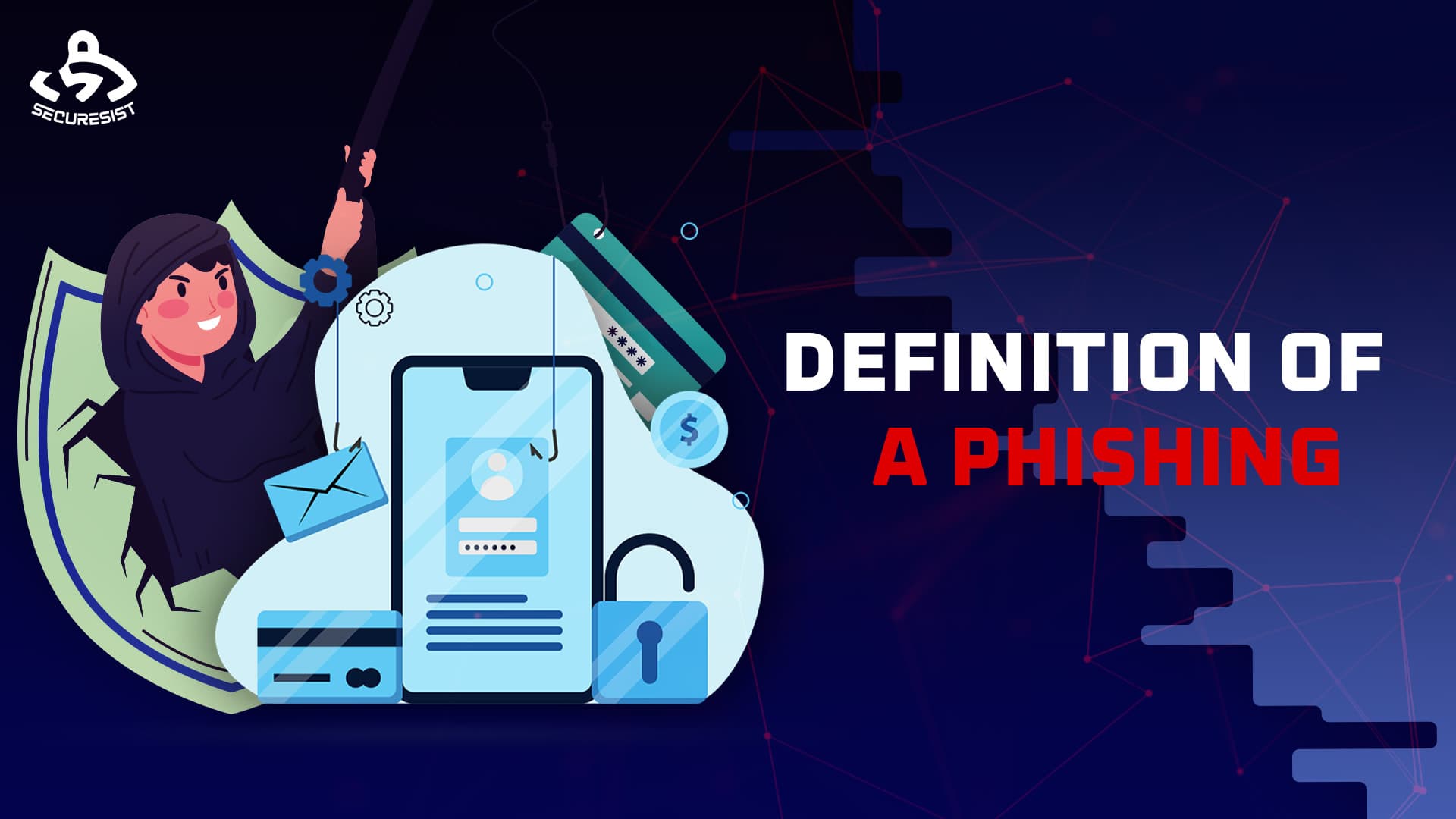
Phishing remains one of the most common and dangerous cyber threats facing individuals and organizations today. Every year, businesses lose sensitive data, money, and customer trust due to deceptive emails and fake messages. Understanding the definition of a phishing attack is the first step toward prevention.
What Is Definition of a Phishing?
The definition of a phishing attack refers to a cybercrime in which attackers impersonate a trusted entity, such as a bank, company, or colleague to trick victims into revealing sensitive information.
This information may include passwords, credit card numbers, login credentials, or confidential business data.
Phishing attacks typically occur through email, but they can also happen via text messages, phone calls, or fake websites.
How Does Phishing Work?
Phishing works by exploiting trust and urgency. Attackers send a message that appears legitimate and encourage the victim to:
- Click a malicious link
- Download an infected attachment
- Enter credentials on a fake website
- Share sensitive information
Once the victim responds, attackers use the stolen data for fraud, identity theft, or unauthorized access to systems.
learn more about what is social engineering
Why Is Phishing a Problem?
Phishing is a serious threat because it:
- Leads to data breaches
- Causes financial losses
- Damages brand reputation
- Disrupts business operations
- Opens the door to ransomware or further attacks
Since phishing targets human behavior rather than technical vulnerabilities, even well-protected systems can be compromised.
Why Choose Cybersecurity Awareness Training from SecureSist?
Personal vs. Workplace Phishing Risks
Personal Phishing Risks
Individuals may face identity theft, financial fraud, or account compromise when responding to phishing messages.
Workplace Phishing Risks
In organizations, phishing can result in business email compromise (BEC), data leaks, ransomware infections, and large-scale operational disruption.
Workplace phishing often has a greater financial and reputational impact, making employee awareness essential.

Types of Phishing
Common phishing attack types include:
- Email Phishing – Mass fraudulent emails sent to many targets.
- Spear Phishing – Highly targeted attacks aimed at specific individuals.
- Whaling – Phishing attacks targeting executives or senior leaders.
- Smishing – Phishing through SMS messages.
- Vishing – Voice phishing conducted via phone calls.
Each type uses deception to manipulate victims into taking unsafe actions.
FAQs
Which best defines phishing?
Phishing is a cyberattack where criminals impersonate trusted entities to trick individuals into revealing sensitive information or performing harmful actions.
What is the legal definition of phishing?
Legally, phishing is considered a form of fraud or identity theft involving electronic communication used to unlawfully obtain personal or financial information through deception.
Protect Your Organization with SecureSist
Understanding the definition of a phishing attack is only the beginning. Prevention requires strong email security, continuous monitoring, and ongoing employee awareness training.
SecureSist helps organizations detect phishing threats early, educate employees, and reduce human cyber risk, turning your workforce into your first line of defense.